

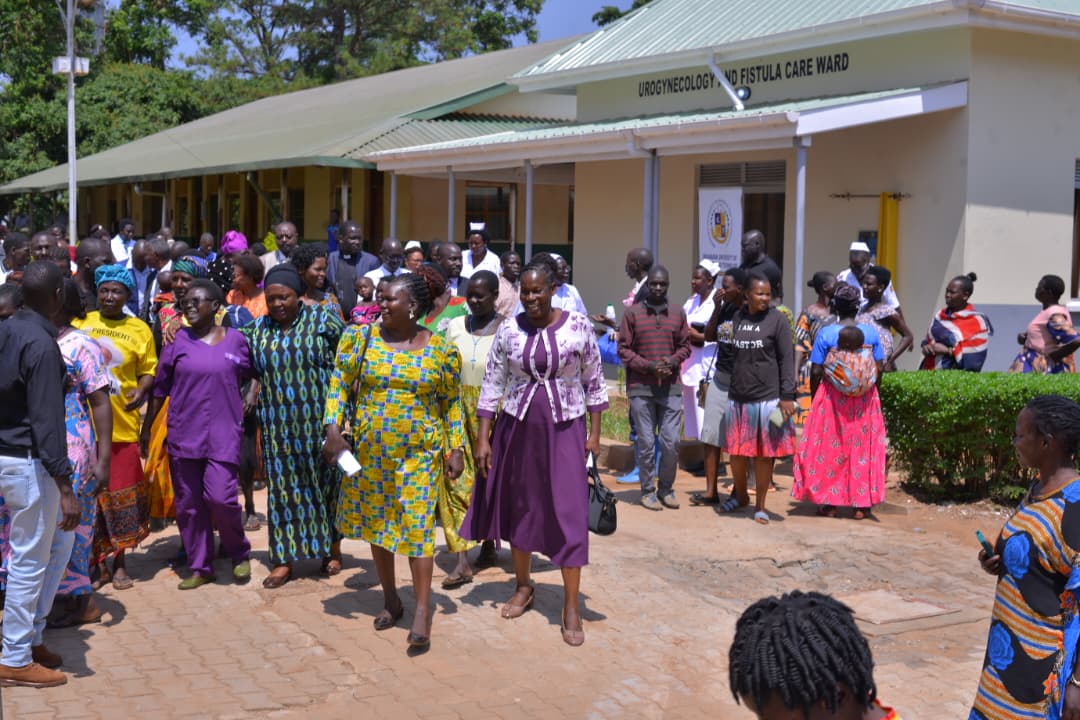
The Minister for Health, Dr Jane Ruth Aceng, has commissioned a new gynaecological and fistula ward at Lira Regional Referral Hospital, a development expected to improve treatment for women suffering from obstetric fistula and other childbirth-related complications in the Lango sub-region.
The ward, constructed at a cost of Shs600 million, was built with support from Mbarara University of Science and Technology through its College of Science and Technology under a specialised urogynecology programme.
Speaking during the commissioning ceremony on March 7, Aceng said the new facility expands the hospital’s capacity to manage complex gynaecological cases, particularly fistula, which remains prevalent in northern Uganda.
“Today we are privileged as the people of Lango because we have commissioned a new ward, the gynaecological and fistula ward. This ward was constructed because of the high numbers of mothers with fistula cases in this region,” Aceng said.
She noted that construction of the ward began in November last year and has increased the hospital’s bed capacity for gynaecological patients from 12 to 45 beds.
Obstetric fistula is a childbirth injury that occurs when prolonged or obstructed labour causes a hole between the birth canal and the bladder or rectum, leading to uncontrollable leakage of urine or stool.
The condition often leaves women facing social stigma, psychological trauma and isolation.
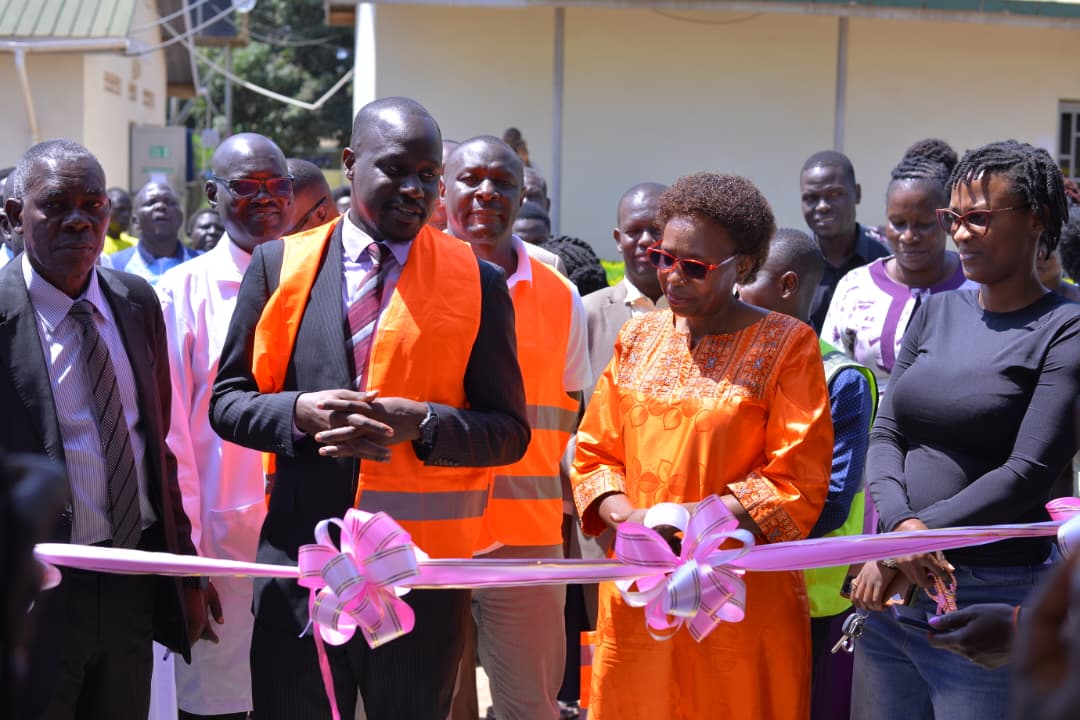
Aceng said the condition has remained common in the Lango sub-region partly due to high levels of teenage pregnancy.
“There is a very high number of fistula cases in Lango sub-region because again of the high prevalence of teenage pregnancies,” she said. “My passionate advice to our girls is that we should avoid teenage pregnancies and pregnancies when our bodies are not yet mature enough to carry such pregnancies.”
The minister also recalled earlier efforts to address the condition in the region when foreign specialists periodically conducted surgeries for affected women.
“In the early 1990s up to the 2000s, Professor Brian Hancock from the United States used to come to support these women by performing surgery,” she said.
Hospital director Andrew Odur said the new ward will primarily handle gynaecological conditions, particularly fistula, which he noted has often received less attention than obstetric care.
“The new ward will mainly handle gynaecological conditions, especially fistula, which for a long time has not received as much attention as obstetric care. By creating a dedicated space for treatment, we hope to restore dignity to women suffering from these conditions,” Odur said.
Lira Regional Referral Hospital handles up to 8,400 deliveries annually, with at least 25 percent delivered through caesarean section, while about 15 percent develop complications that require surgical procedures.
According to Associate Professor Musa Kayondo from Mbarara University of Science and Technology, the new ward is part of a broader effort to decentralise specialised medical services across Uganda.
“We are here because of your call for super-specialisation and decentralisation of specialised services in this country,” Kayondo said.
He explained that many women from remote regions such as Karamoja struggle to access services at national referral hospitals due to distance, cost and unfamiliarity with urban centres.
“Most of our women do not even know how Kampala looks like. They go to Mulago, it is very big, they get lost and return without receiving services,” he said.
To address this gap, the university launched a urogynecology programme aimed at improving treatment, training specialists and strengthening infrastructure across regional hospitals.
Before the programme began, Uganda had only three urogynecologists serving the entire country of more than 24 million women at risk of childbirth-related complications.
Two of the specialists were based at Mulago National Referral Hospital in Kampala, leaving most regions underserved.
The programme has since established outreach centres in several hospitals, including Jinja Regional Referral Hospital, Hoima Regional Referral Hospital and Bwindi Community Hospital, where specialist teams provide surgeries and training.
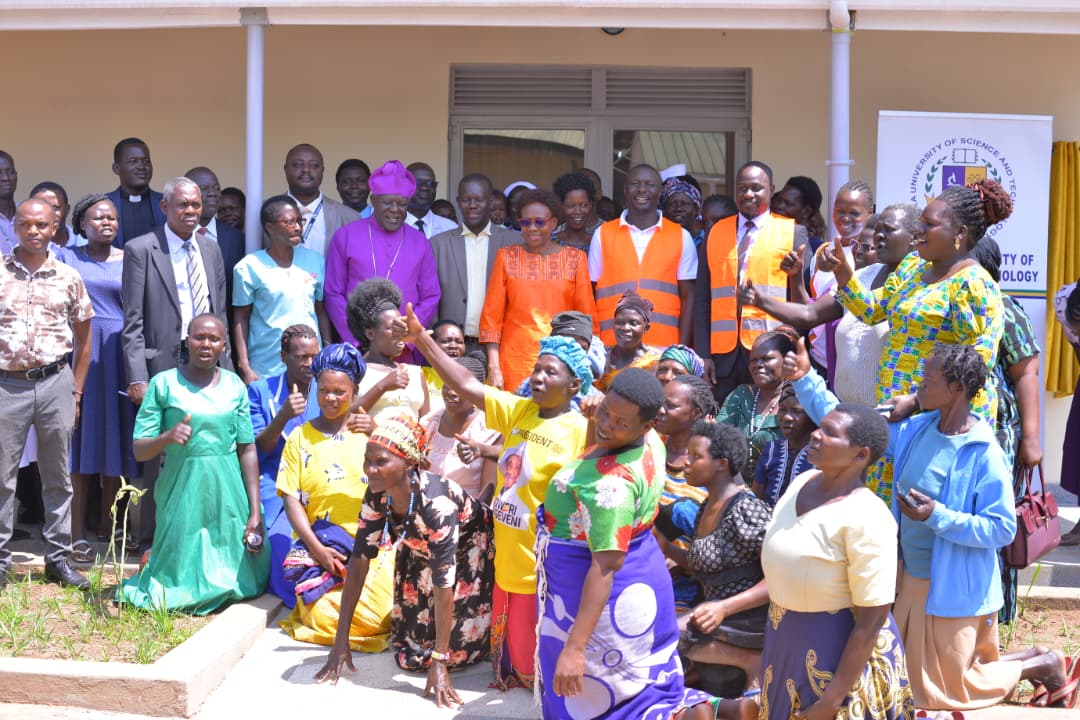
Kayondo said that in 2025 alone, the programme conducted 555 fistula-related surgeries across Uganda.
The initiative also supports treatment missions in neighbouring South Sudan, where many women face similar childbirth complications.
Beyond treatment, the programme is also training more specialists through the first accredited urogynecology fellowship training programme in Eastern and Central Africa, based at Mbarara University.
“We hope to have at least 25 urogynecologists in this country within the next five years,” Kayondo said. support these women by performing surgery,” she said.
Hospital director Andrew Odur said the new ward will primarily handle gynaecological conditions, particularly fistula, which he noted has often received less attention than obstetric care.
“The new ward will mainly handle gynaecological conditions, especially fistula, which for a long time has not received as much attention as obstetric care. By creating a dedicated space for treatment, we hope to restore dignity to women suffering from these conditions,” Odur said.
Lira Regional Referral Hospital handles up to 8,400 deliveries annually, with at least 25 percent delivered through caesarean section, while about 15 percent develop complications that require surgical procedures.
According to Associate Professor Musa Kayondo from Mbarara University of Science and Technology, the new ward is part of a broader effort to decentralise specialised medical services across Uganda.
“We are here because of your call for super-specialisation and decentralisation of specialised services in this country,” Kayondo said.
He explained that many women from remote regions such as Karamoja struggle to access services at national referral hospitals due to distance, cost and unfamiliarity with urban centres.
“Most of our women do not even know how Kampala looks like. They go to Mulago, it is very big, they get lost and return without receiving services,” he said.
To address this gap, the university launched a urogynecology programme aimed at improving treatment, training specialists and strengthening infrastructure across regional hospitals.
Before the programme began, Uganda had only three urogynecologists serving the entire country of more than 24 million women at risk of childbirth-related complications.
Two of the specialists were based at Mulago National Referral Hospital in Kampala, leaving most regions underserved.
The programme has since established outreach centres in several hospitals, including Jinja Regional Referral Hospital, Hoima Regional Referral Hospital and Bwindi Community Hospital, where specialist teams provide surgeries and training.
Kayondo said that in 2025 alone, the programme conducted 555 fistula-related surgeries across Uganda.
The initiative also supports treatment missions in neighbouring South Sudan, where many women face similar childbirth complications.
Beyond treatment, the programme is also training more specialists through the first accredited urogynecology fellowship training programme in Eastern and Central Africa, based at Mbarara University.
“We hope to have at least 25 urogynecologists in this country within the next five years,” Kayondo said.
